
 Ahmed Al Mansoori
A cloud infrastructure decision rarely gets revisited until something forces the question. A bill lands higher than expected, a support ticket sits unanswered for two days, or a project outgrows what a plan was ever built to handle. That moment is usually when Vultr users start looking around.
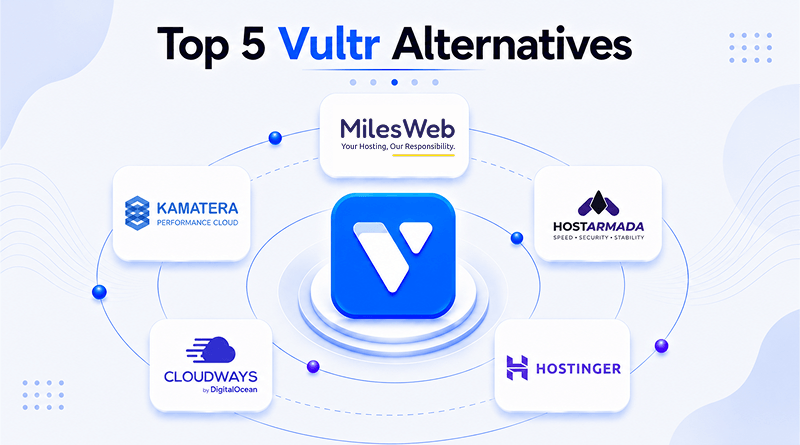
Vultr earned its place through rapid deployment and dependable compute, and for plenty of use cases, it still delivers exactly that. By 2026, the cloud hosting field has widened well past Vultr’s original lead. Several providers now match its performance while fixing what pushed people away in the first place, unpredictable bandwidth costs, support locked behind pricing tiers, and infrastructure that doesn’t flex as a project grows. This guide looks at the five strongest alternatives worth considering and what each one actually does better.
Table Of Content
Why Are People Switching Away From Vultr?
Vultr still handles a lot of use cases well, and plenty of projects run on it without issue. The switch usually happens once a project grows past what it was originally set up for.
Bandwidth overage charges come up often in user complaints. A plan that looks reasonable at signup includes limits that active projects outgrow within a few months, and what should be predictable infrastructure costs turns into a recurring surprise on the invoice instead.
Support access follows a similar pattern. Users on entry-level plans tend to wait longer in ticket queues, while faster responses stay reserved for higher-priced tiers. Add in costs that climb faster than expected once a project needs more compute or storage, and a clearer picture forms. Teams rarely leave Vultr over one single failure. They leave because growth reveals friction that stayed hidden at the start.
Related Read: Best Cloud Hosting Providers
Top 5 Vultr Alternatives in 2026
The right alternative depends on what a project actually needs, not which name shows up first in a search result. These five providers each solve a different part of that equation. Some lean on raw compute power. Others build their entire pitch around regional reach across the Middle East.
1. MilesWeb

MilesWeb built its cloud and VPS infrastructure around one clear principle: deliver enterprise-grade performance without locking support behind paid tiers or trapping users inside restrictive bandwidth limits. Its infrastructure runs on NVMe SSD storage across several data centers worldwide, giving UAE-based projects a range of regional options to reduce latency for their target audience.
What sets MilesWeb apart from most names on this list is the combination of full root access, resources that scale without forcing a migration, and support available at every plan level rather than reserved for an upgrade. Projects running WooCommerce hosting or handling steady production traffic hold up well here, without the billing unpredictability common elsewhere in this category.
Core features
- Standard NVMe SSD storage with every plan
- Root access stays full, and resources stay adjustable.
- Pick from data centers spread across the globe
- Support runs around the clock on any tier.
- Backups run daily; email comes free
- Scale RAM, CPU, or storage without switching plans
Related Read: Top WooCommerce Hosting Providers
2. Kamatera
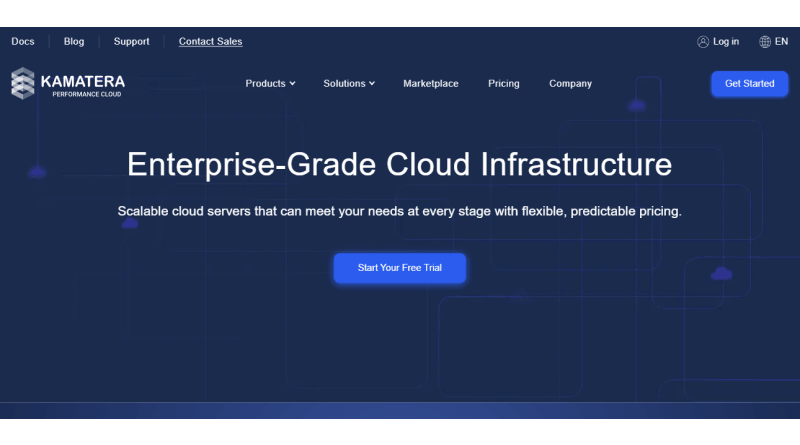
Kamatera takes a different approach to server configuration. Instead of bundling CPU, RAM, and storage into fixed plans, it lets users adjust each one independently, giving real control over how a server gets built. That flexibility matters most for teams running workloads that shift week to week or anyone testing infrastructure before locking into a longer setup.
The billing system operates on the same principle, charging based on actual usage rather than a flat monthly rate that ignores load. Kamatera also supports both Linux and Windows environments, and its data center in the UAE region gives businesses a genuine local option for reducing latency.
Core features
- Server specs, fully customisable
- Pay only for what actually gets used
- Data centers spread across multiple continents
- New users get a 30-day free trial.
- Windows VPS and Debian VPS are both supported.
3. Cloudways
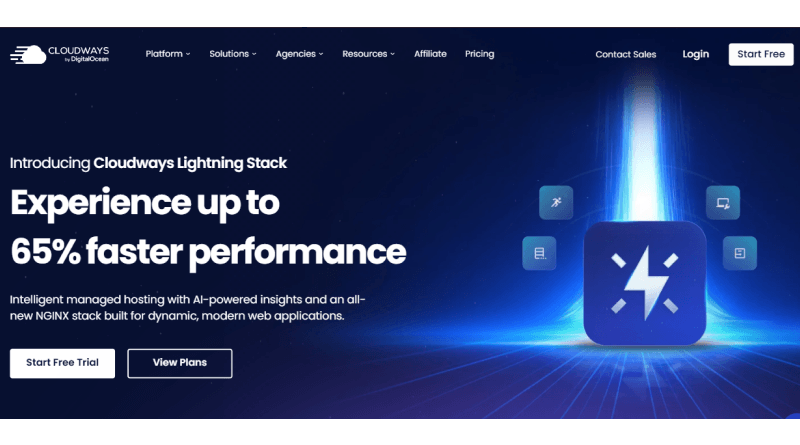
Cloudways takes a managed-first approach, handling server maintenance, security patching, and performance tuning behind the scenes rather than leaving it to the user. That structure appeals directly to teams that want cloud-level performance without dedicating someone to server administration full time.
The platform runs on infrastructure from major cloud providers, giving users a choice of underlying stack while Cloudways manages the layer on top. Its dashboard stays approachable even for teams without a dedicated DevOps background. That alone cuts down the time between signing up and getting an application live.
Core features
- Fully managed server maintenance and security
- Choice of underlying cloud infrastructure providers
- Built-in caching and performance optimisation
- Simple dashboard suited to non-technical teams
- 24/7 support included
4. HostArmada

HostArmada has built a growing presence in the region through straightforward pricing and infrastructure aimed squarely at small- to mid-sized businesses. SSD storage comes standard on its cloud VPS plans, and setup stays simple enough that no deep technical background is needed to get started.
Live chat support sets this provider apart, especially for businesses that struggle to reach larger, more impersonal providers outside standard support hours. Smaller teams, the ones without an in-house infrastructure person, feel that responsiveness the most.
Core features
- SSD storage included as standard
- Straightforward setup for smaller teams
- Live chat support with fast response times
- Free daily backups on most plans
- Scalable resources without a full migration
5. Hostinger

Hostinger built its reputation on affordability, and that value-driven approach carries over into its VPS and cloud offerings as well. Setup remains approachable for newer users without skipping the deeper customisation that experienced developers expect from a serious hosting plan.
Small projects that grow slowly tend to outgrow this infrastructure without much trouble. The platform includes tools that eliminate the technical overhead of server management, giving smaller teams a middle ground between low cost and real functionality.
Core features
- Stays priced for smaller budgets, without cutting base specs
- Templates pre-installed to skip manual setup
- A wizard walks first-time users through the rest
- Backups run weekly by default
- Uptime that’s held steady over time
What Should You Check Before Choosing an Alternative?
A provider’s name on a list doesn’t guarantee a good fit. Before making a switch, a few factors deserve real attention, since skipping them tends to recreate the same problems that started this search in the first place.

01
Uptime reliability
Marketing pages promise a lot. A provider’s actual track record tells the real story, and even brief outages cost more than they seem to once a project depends on staying online around the clock.
02
Dedicated Support
A support ticket shouldn’t sit longer just because someone picked a cheaper plan. A reliable provider answers just as fast on the cheapest plan as it does on the most expensive one.
03
Seamless scalability
Growth shouldn’t force a migration. A server that can add resources on the fly saves a team from the disruption of moving everything to a new plan mid-project.
04
Data center coverage
Server location shapes latency directly. A provider with data centers near the actual user base counts for more than one with a longer feature list.
05
Migration ease
A smooth migration path saves real time. Providers offering built-in migration tools reduce the setup work involved in moving an existing project off its current host.
06
Transparent billing
Clear, predictable pricing without hidden bandwidth charges avoids the exact billing surprise that starts most of these comparisons.
Vultr vs MilesWeb: How Do They Actually Compare?
Vultr delivers solid baseline performance through an interface most developers already know well. Its limitations often become apparent later, when bandwidth overage charges accumulate and timely support necessitates a paid tier.
MilesWeb closes both gaps directly. Its bandwidth allocation skips the unpredictable overage structure. Vultr users often mention, and support stays available around the clock without needing a plan upgrade to access it. Teams researching Google Cloud hosting alternatives, specifically because of billing unpredictability, tend to find MilesWeb’s flat, transparent pricing removes that guesswork entirely. Its global data center spread adds genuinely low latency across regions. Additionally, MilesWeb provides a significant advantage for teams that are outgrowing Vultr but do not want to sacrifice performance.
Which Vultr Alternative Fits Your Use Case?
Different projects call for different infrastructure, and matching the provider to the actual use case saves both budget and future migration effort.
Dev and testing environments
Kamatera charges only for what gets used, with no long-term contract attached. A short-term project or a quick experiment rarely needs anything more permanent than that.
UAE-hosted applications
Businesses targeting regional traffic benefit most from Kamatera’s UAE data center presence, though MilesWeb’s broader regional spread also covers this ground well for teams wanting extra flexibility.
Production applications
A production app runs the same way every day, and the infrastructure behind it has to match that pace without falling behind or spiking costs. MilesWeb’s uptime and scalable resources handle that load without the billing surprises that tend to show up elsewhere once a project starts growing.
Agencies managing multiple clients
An agency running ten client sites doesn’t want ten separate logins to manage them. Cloudways’ managed dashboard handles deployment and management for all of them from one place, simplifying the workload for agencies without a dedicated DevOps team.
Top 5 Vultr Alternatives: Quick Comparison Table
Five providers, five different strengths. The table below lines up each one by data center reach, support structure, and best-fit use case for a quick side-by-side reference.
| Provider | Data Centers | Support | Best For |
|---|---|---|---|

|
Global | 24/7, all tiers | Production apps, global-reach projects |

|
Global, incl. UAE | Ticket-based | Dev and testing environments |

|
Multi-cloud | 24/7 managed support | Agencies, managed hosting needs |

|
Global | Live chat, fast response | Small to mid-sized businesses |

|
Global | 24/7 chat support | Beginners, growing small projects |
Closing Insights
A cloud provider rarely gets picked twice for the same reason. The initial selection is typically based on cost and the speed of deployment. The second factor is the performance under real traffic conditions.
Vultr still handles straightforward, low-traffic projects reasonably well, and plenty of setups run fine on it. Growth is usually what changes the picture, exposing bandwidth structures and support tiers that were never built for sustained scale. The five alternatives here close that gap in different ways, through flexible pricing, raw compute power, or infrastructure built around regional reach.
Among them, MilesWeb stands out for pairing NVMe performance with a global data center spread and round-the-clock support, a combination built for teams planning to scale without revisiting this decision again anytime soon.
Frequently Asked Questions
1. Is Vultr good for hosting a website?
For a developer comfortable running their own server, yes. Vultr handles low to moderate traffic without much trouble. The catch shows up once a website grows; bandwidth overage charges start adding to what looked like a predictable monthly cost.
2. What is cheaper than Vultr?
Hostinger and MilesWeb both undercut Vultr on comparable specs, and MilesWeb offers daily backups and professional email at no extra charge. Kamatera can also end up cheaper, since its pay-as-you-go model only bills for what actually gets used.
3. Does Vultr have UAE data centers?
Vultr doesn’t run a dedicated UAE data center at present. Kamatera runs a regional option in the UAE, while MilesWeb’s broader global spread gives businesses additional regional choices for cutting latency on local traffic.
4. Vultr vs Cloudways — which is better?
Both serve different needs well. Cloudways handles maintenance and security on its own, which means a team doesn’t need someone in-house managing servers full time. Vultr keeps pace on raw performance and deployment speed, though it leaves more of the technical management to the user.
5. Is Vultr good for beginners?
Vultr fits developers who already know their way around a server, not complete beginners. The interface is technical, and entry-level support can be slow. MilesWeb or Hostinger, both with guided setup options, suit newcomers on a budget far better.